
A non-native species is considered invasive when, according to the Environmental Protection Agency (EPA), it “causes economic or environmental harm, or harm to human health.”
In the state of Virginia, some of the worst environmental offenders include kudzu, tree of heaven, English ivy, and autumn olive.
Read some facts about them below!
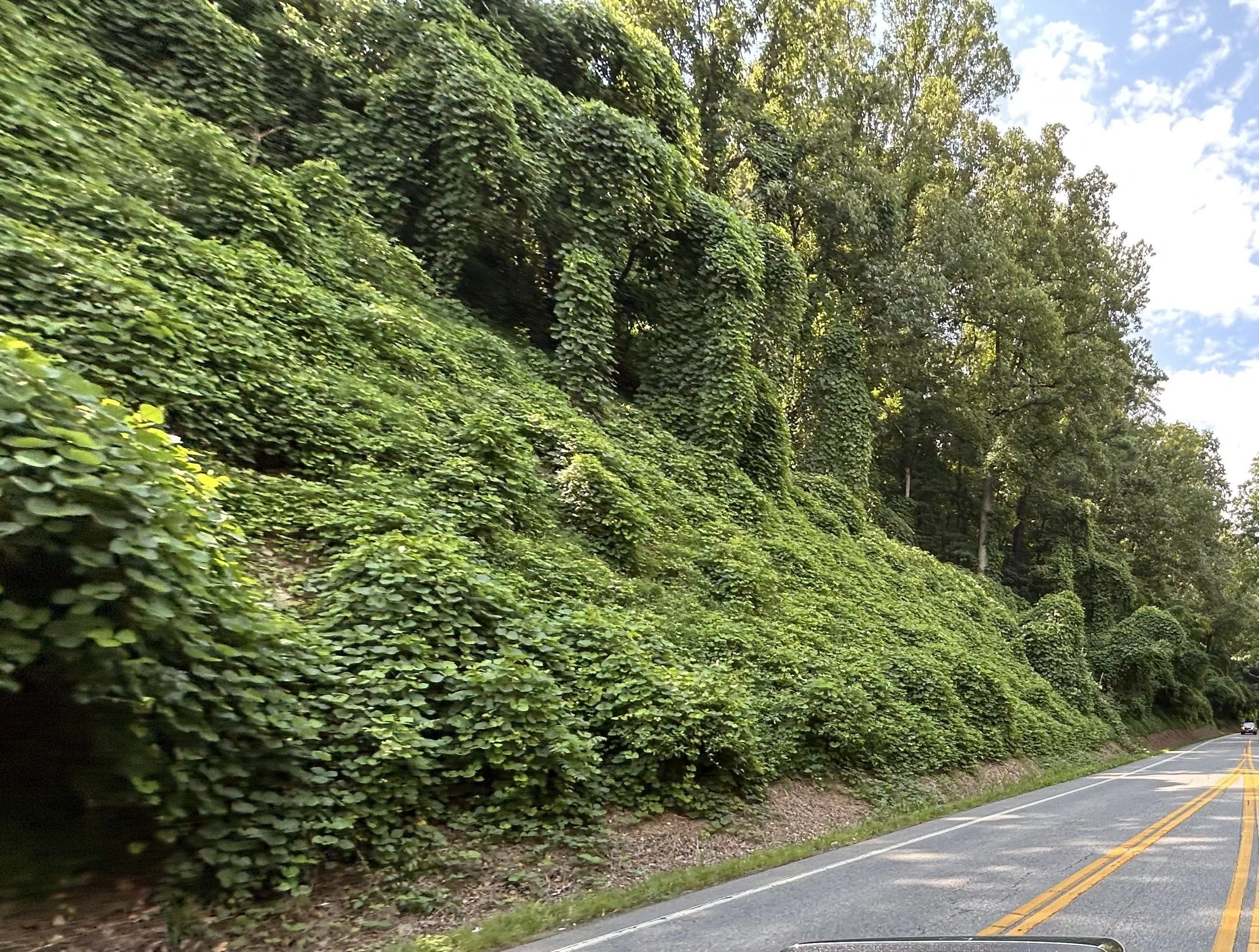
Kudzu
Kudzu requires extensive targeted treatment. Hardy, deep roots allow it to return yearly.
It smothers and kills native life by aggressively growing over it.
It uses its vines and leaves to form a blanket over acres of land, killing our native biodiversity.
Barren soil and neglected land are the perfect conditions for kudzu to propagate and cover up to 100% of our forests’ canopies.
Due to the disastrous ecological impact it has to our unadapted ecosystem, kudzu should never be used for decorative or otherwise commercial use.
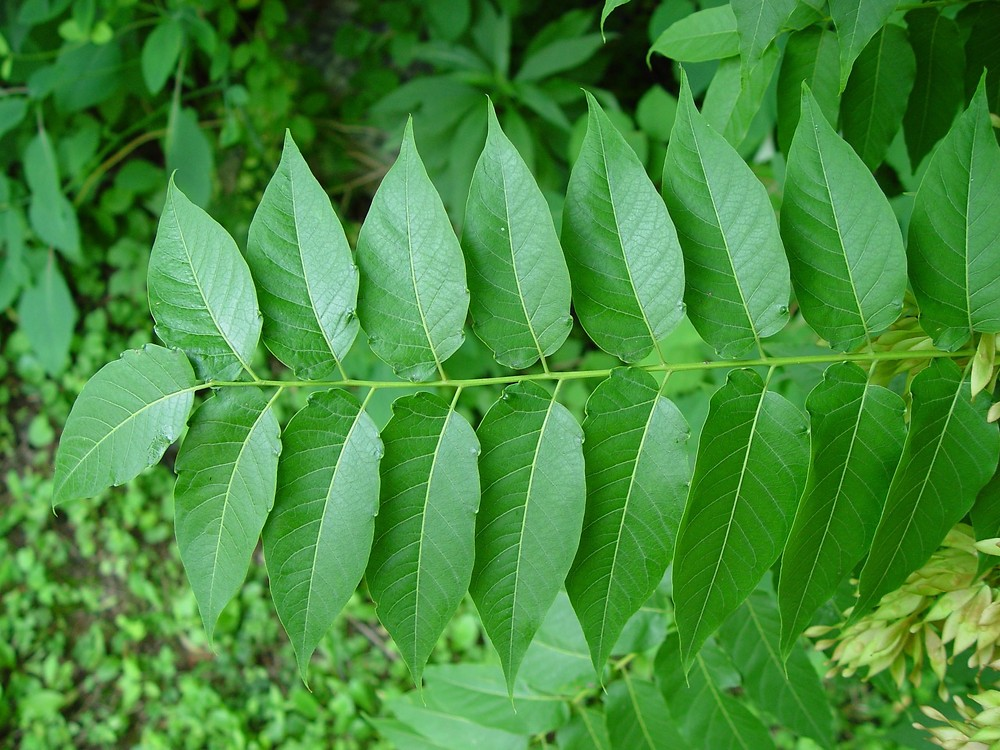
Tree of heaven
Tree of heaven destroys the value of pastures, hayfields, wood lands, and timber because the tree outcompetes desirable plants by poisoning the soil with toxins exuded from its roots and fallen leaves. (Blue Ridge PRISM)
Don’t mow it, don’t chop it!
Under very little pressure, it can propagate underground by creating new buds and sprouts, leading to a brand-new growth of the plant several feet away.
Lookalikes include ash, walnut, and sumac.
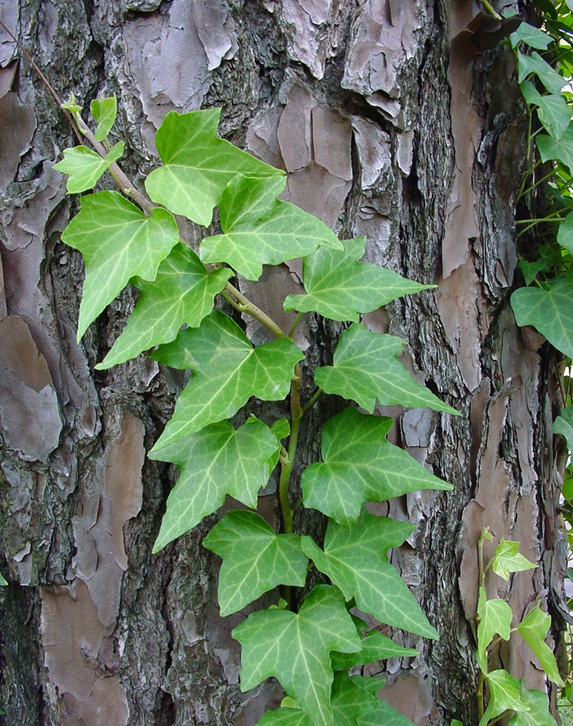
English ivy
Its sticky aerial roots retain moisture and can potentially damage any structure it climbs.
The sprawling vines create thick mats that may harbor rats, mosquitoes, and other unwanted pests. (Virginia Department of Forestry)
An attractive evergreen groundcover and climbing vine, English ivy can climb as high as 90 feet, meaning it can easily overtop trees and starve trees by blocking photosynthesis.
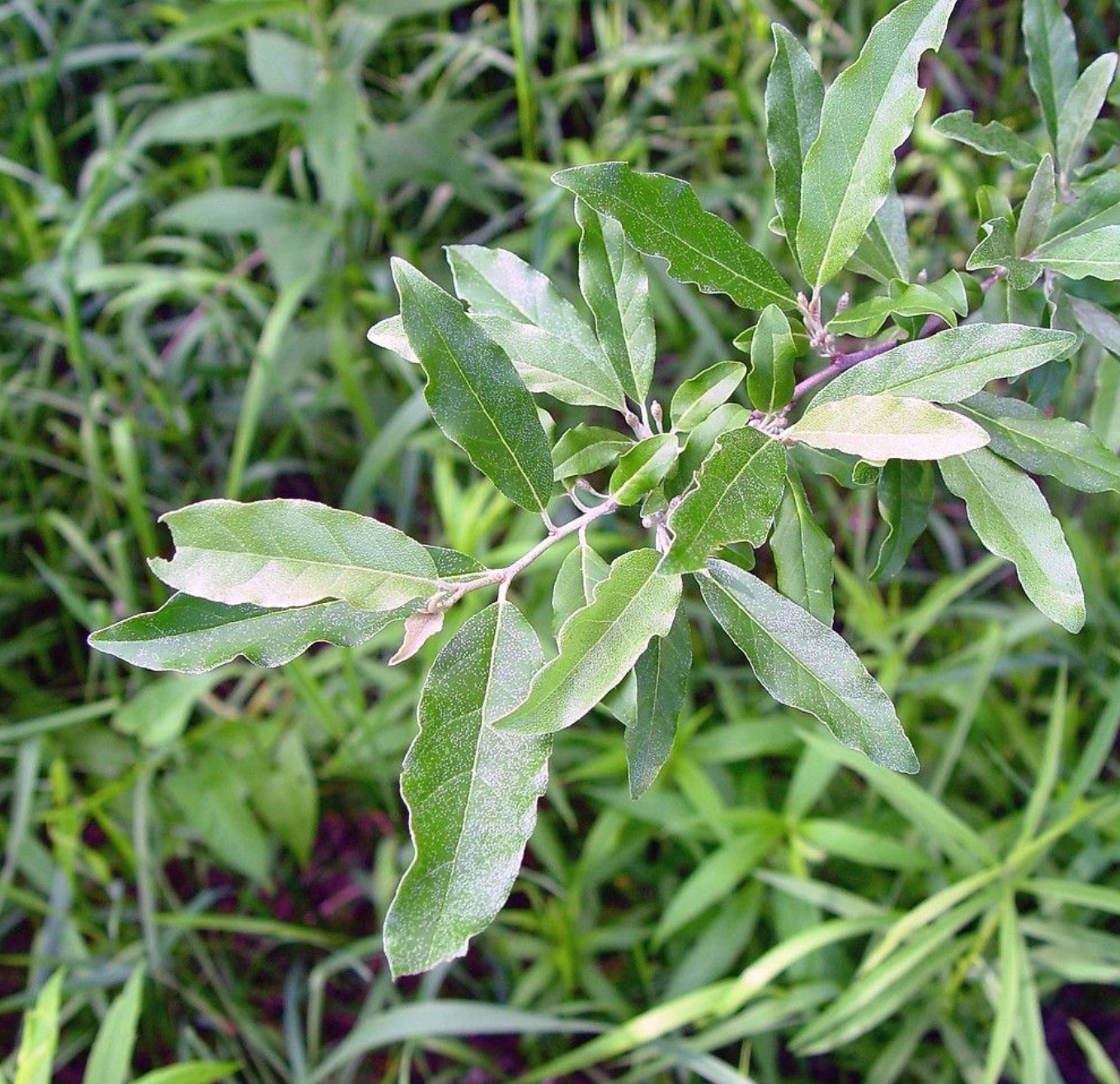
Autumn olive
Like many invasive species, autumn olive was brought to the United States for ornamental purposes.
It was later used heavily for erosion control where it dispersed profusely and became invasive due to a lack of predators.
Autumn olive outcompetes native wildlife due to its fast-growing leaves and abundant red berries that are eaten by birds and spread by their droppings.